SOD INSTALLATION GUIDELINES
- Have your area prepared prior to ordering your sod. Sod should be
installed and watered immediately after being delivered.
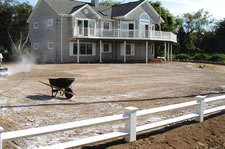
- SOIL depth should be between 4"-6" with good drainage under
the soil. Add some lime and starter fertilizer to the soil and rake in.
Make sure to rake in the starter fertilizer and do not let sod just sit
on top of starter fertilizer as it can damage the tender young roots.
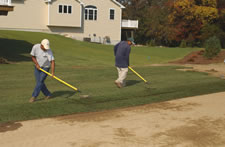
- RAKE out the soil surface as smoothly as possible. Light rolling of
the soil surface will insure total root contact with the soil. Any root
area not touching the soil will dry out and die.
- DAMPEN the ground where the sod will be installed. Sod will root quicker
to a cool, moist soil condition that to a hot, dry soil condition.
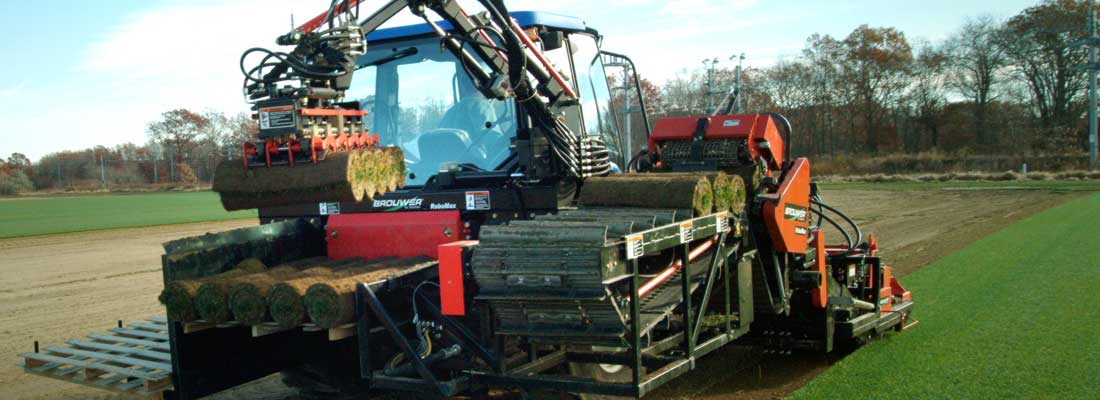
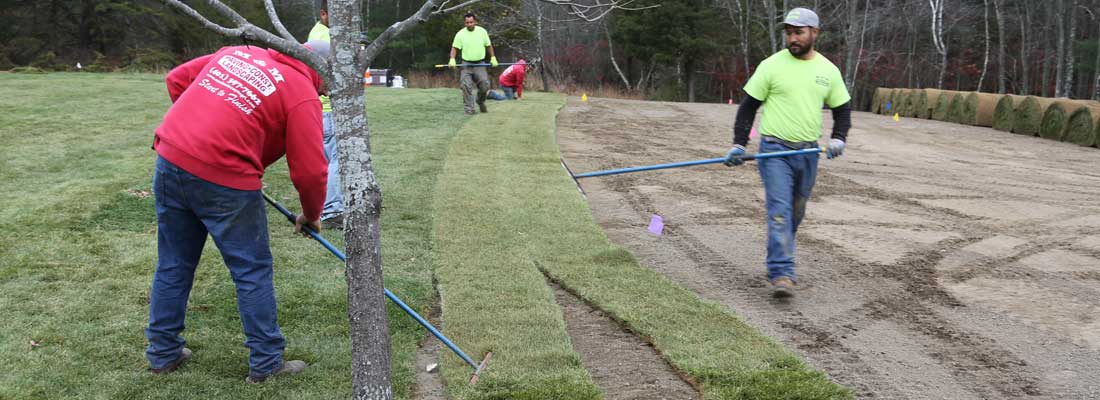
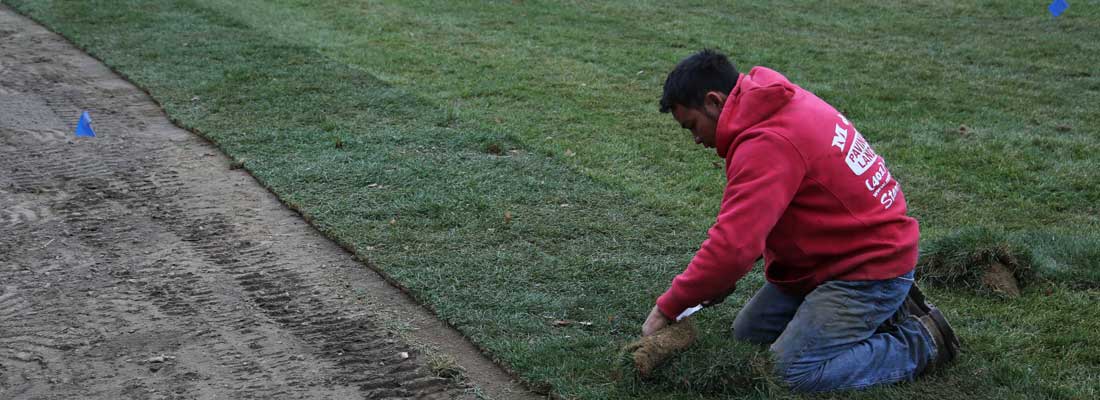
- STAGGER the sod strips in tiers or lines. Be sure each strip abuts
the next, but does not overlap the next strip. Try not to leave gaps
in between the strips. Gaps will allow air to get in between the strips
and dry the edges out. The resultant scheme of strips should resemble
a brick wall. Staggering layers helps the seams to fill in quicker.
- WATER newly installed sod frequently! Sod should receive 1" of
water daily. (You can measure this by putting a small can such as a tuna
fish can where the water hits from the sprinkler. When there is an inch
of water in the can, you know you have an inch on the lawn.) When the
sod has rooted into the soil (usually 10-14 days) sod should receive
at least 1" of water per week.
- MOW your lawn as soon as it needs mowing. A suggested mowing height
is between 1 ½ - 2".
- FERTILIZE your lawn after sod has taken root in the soil (usually
around 5 weeks after installation). Use a complete fertilizer-one containing
nitrogen, potassium and phosphorus. BE SURE FERTILIZER IS WATERED IN!!
Follow instructions on the fertilizer bag - DO NOT RISK BURNING YOUR
SOD WITH TOO MUCH FERTILIZER! A heavier application of fertilizer is
suggested in late November. This will aid in root growth during the winter
(yes, roots do grow in the winter!) and promote a quicker green up in
the spring. (We usually recommend you get on a good 4-step program for
fertilizing.)
- WEEDS and INSECTS can travel from nearby areas into your lawn. A preventative
maintenance program will insure that your lawn will not fall prey to
insects and weeds. Your local garden center can supply products for proper
maintenance.
- TALKING to your new sod lawn might not help-but it sure won't hurt!
Remember-your sod is a living plant. Treat it as such and it will bring
years of enjoyment and beauty to you.
|
|